
Here's more detailed information about the therapies I provide.
Cognitive Behavioural Psychotherapy (CBT)
CBT is a practical, action-oriented "talking therapy." It's based on the idea that how we think (Cognition) and how we act (Behaviour) directly shapes how we feel. Instead of just talking about problems, CBT treats you as a co-investigator. Together with your therapist, you'll identify the "vicious cycles" keeping you stuck and test out new ways of living to break them.
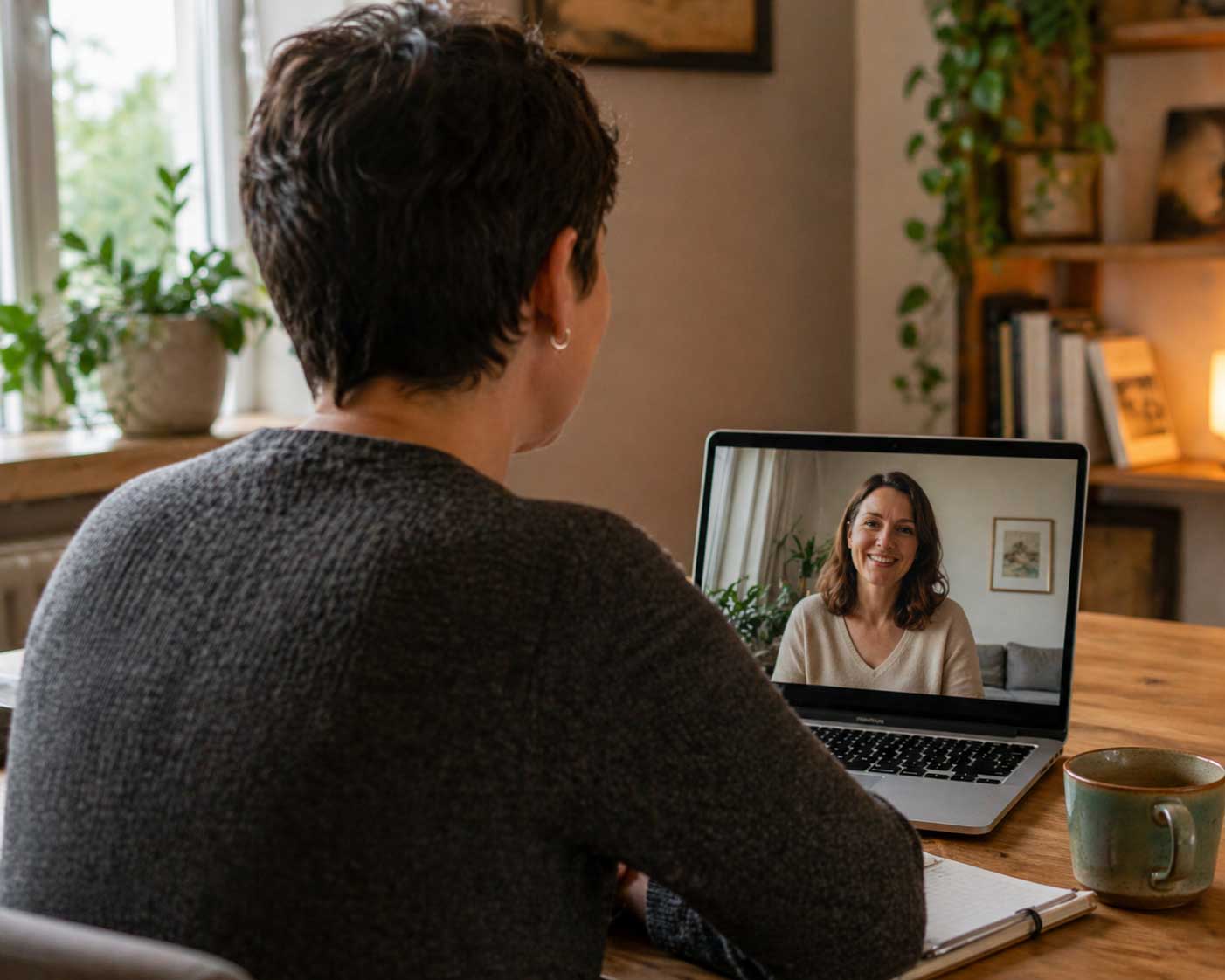
Examples of how CBT can help
- Anxiety & Panic: Learning that "physical symptoms" aren't dangerous.
- Depression: Re-activating the brain's reward system through action.
- OCD & PTSD: Safely processing intrusive thoughts or traumatic memories.
- Physical Health: Managing the distress of chronic pain or insomnia.
As a BABCP-accredited therapist, Cognitive Behavioural Therapy is the evidence-based foundation of my practice. However, I believe therapy should fit the person, not the other way around. While CBT provides our structural 'map', I work adaptively to ensure the support you receive is as unique as your experience. Depending on your specific needs and goals, I integrate elements from Dialectical Behaviour Therapy (DBT), Acceptance and Commitment Therapy (ACT), and Compassion-Focused Therapy (CFT).
This integrative approach allows us to go beyond traditional thought-challenging. We might use ACT to help you stop struggling against difficult emotions and start living a life aligned with your values, or draw on CFT to quieten a harsh inner critic and build the emotional resilience needed for deep-seated change. By tailoring these powerful models to your individual journey, we create a flexible, compassionate space and a therapy that feels relevant, personal, and recovery-oriented.
DBT Skills for Emotional Regulation & Better Relationships
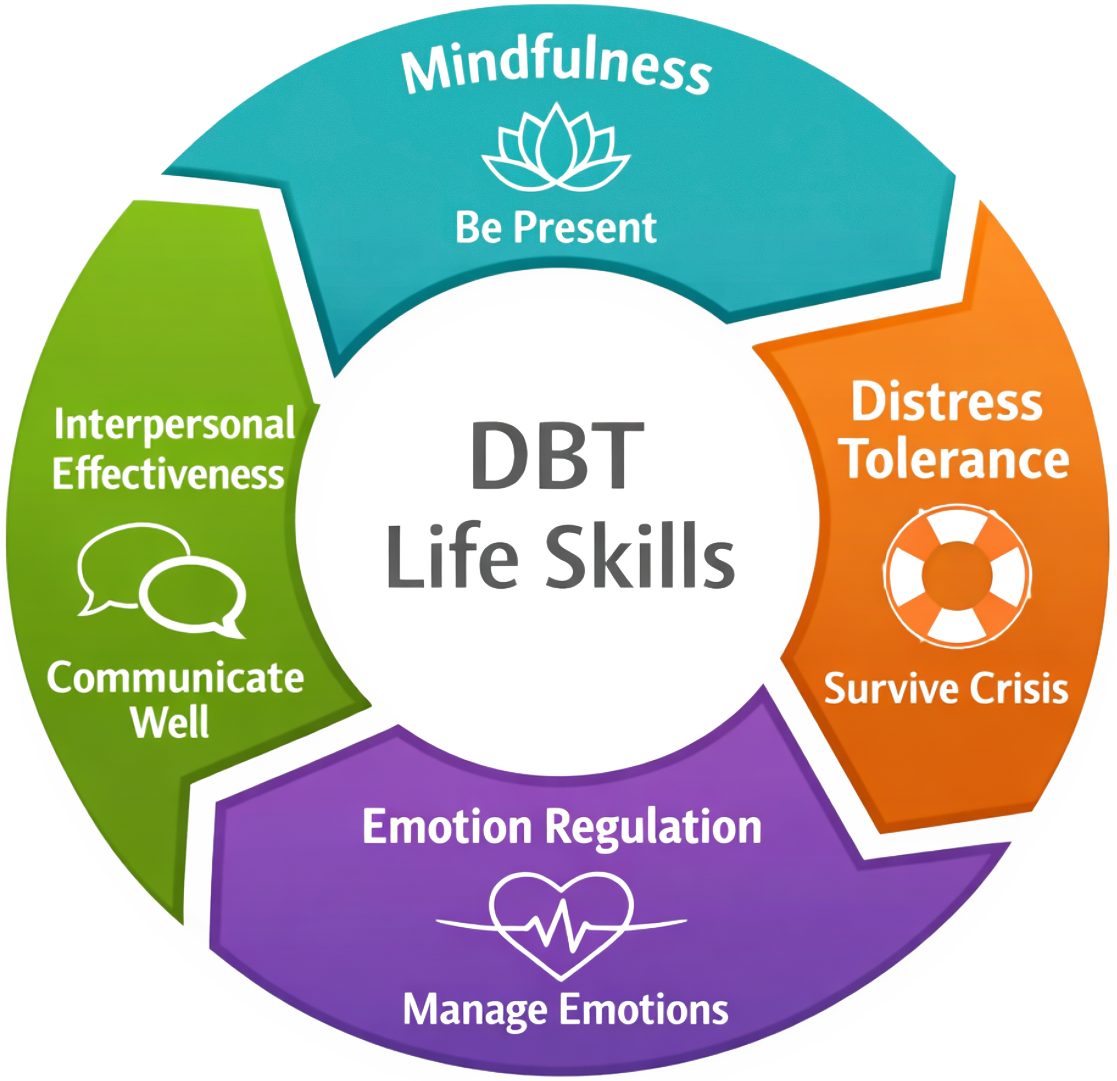
Dialectical Behaviour Therapy (DBT) provides a toolkit for handling life's emotional 'rollercoasters'. By mastering techniques like mindfulness, distress tolerance, and interpersonal effectiveness you can find a healthy balance between acceptance and change, leading to more stable moods and resilient relationships.
The DBT Toolkit — as a skills teacher, I work with you to master four specific modules:
- Mindfulness: Learning to be fully present in the moment without judgment.
- Distress Tolerance: Techniques to get through a crisis without making things worse.
- Emotion Regulation: Understanding your feelings and reducing your vulnerability to "emotional storms."
- Interpersonal Effectiveness: Tools to ask for what you need and say "no" while keeping your self-respect and relationships intact.
How we work together
Expert Coaching: I provide the roadmap and the specific exercises.
Real-World Practice: We look at your week and figure out exactly which skill (like "TIP" or "DEAR MAN") would have helped in a difficult moment.
Building a Life Worth Living: The goal isn't just to stop the pain, but to build a life that feels stable, connected, and meaningful.
Trauma-Focused Therapy
(EMDR, Narrative Exposure Therapy, and CBT)
I have over 15 years' experience delivering specialist trauma-focused psychological therapy within NHS forensic and community mental health settings, working with people who have experienced multiple, complex, and often long-standing traumas. My approach is integrative and carefully paced, prioritising safety, trust, and emotional stability.
I offer evidence-based trauma therapies including Cognitive Behavioural Therapy (CBT), Eye Movement Desensitization and Reprocessing (EMDR), and Narrative Exposure Therapy (NET), alongside compassion-focused, mindfulness-based, ACT, and DBT-informed approaches to support emotional regulation and resilience.
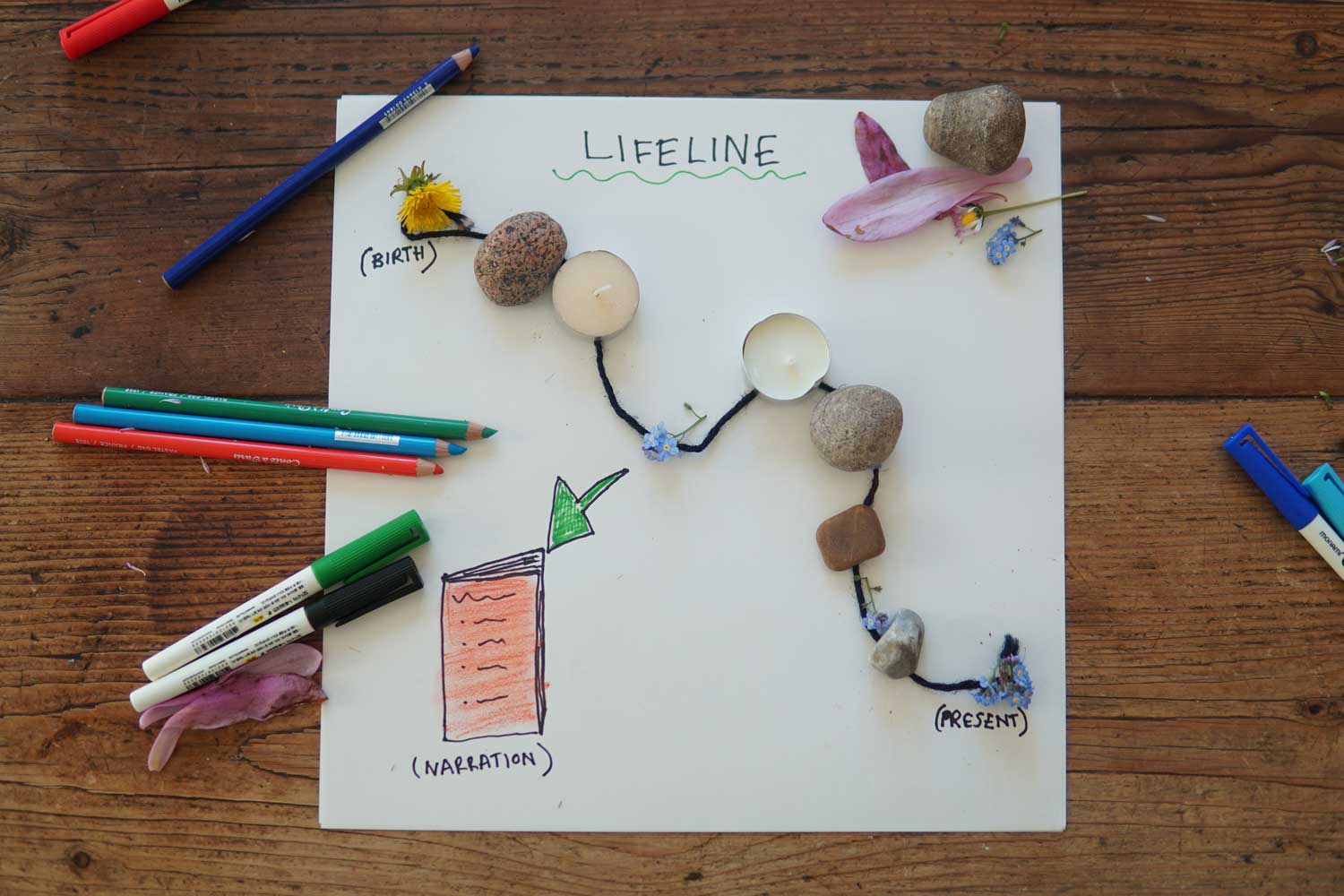
Narrative Exposure Therapy is particularly helpful for people whose lives have been shaped by repeated or cumulative trauma. It supports individuals to gently organise and make sense of traumatic memories within the context of their whole life story, reducing distress while restoring a sense of meaning, identity, and continuity.
If working together we will decide which model or combination of approaches is best for you. Throughout trauma work, I place strong emphasis on collaboration, choice, and compassionate human connection.
EMDR Therapy (Online)
At present, I offer EMDR therapy online. For many people, this works just as effectively as meeting in person and can feel more accessible and comfortable. Although being in the same room can support the therapeutic relationship, meaningful and effective work can still take place online.
In some circumstances, I may be able to offer Home-Based Therapy in the Rotherham/South Yorkshire region. If this is something you would prefer, we would begin with a detailed online assessment to ensure this is appropriate and that we can work safely and effectively together.
EMDR (Eye Movement Desensitisation and Reprocessing) is a well-established, evidence-based therapy that helps people process and recover from difficult or distressing experiences. It is particularly known for its effectiveness in working with trauma and PTSD, but it can also be helpful for a range of other difficulties, including anxiety, phobias, and low self-esteem.
EMDR works a little differently from more traditional talking therapies. Rather than focusing only on talking things through, it helps the brain to process experiences that may feel "stuck." It draws on the brain's natural ability to process information — similar to what happens during REM sleep — allowing memories to be integrated in a way that feels less overwhelming.
A key part of EMDR involves bilateral stimulation, which means gently activating the left and right sides of the brain in an alternating way. This might involve following a moving object on the screen, gentle tapping, or auditory tones. The pace and type of stimulation are carefully adapted depending on the stage of therapy and your individual needs.
EMDR Therapy Online FAQs
You will need a laptop or computer which has a reasonably sized screen you can place on a desk at eye height. You will also need a reliable internet connection. It is not good practice to have EMDR sessions interrupted by a poor internet connection.
EMDR treatment online is just as effective as face to face therapy. Of course it is preferable to meet someone face to face but we appreciate that this is not always possible. If I feel your trauma is particularly complex I will recommend you to see a therapist face to face nearer to you.
The best way to get the most out of EMDR therapy is to complete the therapy. Not completing therapy can lead to PTSD symptoms returning post therapy. It is also important to keep an open mind and trust the EMDR process.
Animation to explain EMDR Therapy and Trauma to Adults: EMDR Association
Mindfulness & Nature-Based Therapy
Mindfulness is a central part of my therapeutic work and is offered in a practical, accessible way.
Step away from the noise and digital devices. Nature-based therapy integrates the calming effects of the outdoors with mindfulness practices, helping you reduce stress and cultivate a deeper, more compassionate awareness of your mind and body.
I can provide Mindfulness-Based Stress Reduction (MBSR) and integrate mindfulness skills within CBT and trauma-focused therapy to help people develop greater awareness, emotional balance, and a kinder relationship with their inner experiences.
Where appropriate and by mutual agreement, therapy can also move beyond the screen or therapy room. I sometimes offer outdoor, nature-based sessions (Rotherham/South Yorkshire region) — using gentle walking or sitting practices to support grounding, reflection, and regulation in real time. Many people find being in nature helps them feel calmer, more connected, and less overwhelmed.
I also offer guided sound meditations using gongs, singing bowls, and other therapeutic sound instruments, working with individuals or groups. These practices can support deep relaxation, nervous system regulation, and wellbeing, and may be offered as part of therapy, group work, or dedicated mindfulness and wellbeing days.